


-

Add: HeBei ShengShi HongBang Cellulose Technology CO.,LTD.
-

Email
13180486930@163.com -

CONTACT US
+86 13180486930




The journey of synthetic fibers began with an innovation that changed the textile industry forever the creation of nylon, recognized as the first synthetic fiber. Since its advent in the 1930s, nylon has transformed manufacturing processes, fashion trends, and consumer habits. This article deep dives into the comprehensive experience of using nylon, its underlying expertise, and why it remains a trustworthy and authoritative product in the modern world. Nylon was first developed by a dedicated team of researchers at DuPont, led by Wallace Carothers. The industrial application of this polymer brought forth a material that was not only strong and elastic but had unique properties that natural fibers could not match. Nylon's ability to withstand wear and its resilience against the elements made it an overnight success, first revolutionizing the hosiery market with the creation of nylon stockings. The experience of using nylon as a product began with its adaptability. Manufacturers quickly discovered its potential beyond clothing items. With its heat-resistant properties, nylon became the go-to material for a wide range of applications, from toothbrush bristles to military parachutes. Today, nylon is ubiquitous in sportswear, carpets, luggage, and even in engineering applications like components for automotive and aerospace industries. Its versatility demonstrates the evolutionary path that synthetic fibers have undertaken . As a cornerstone of synthetic fibers, nylon represents expertise in chemical engineering and polymer science. This expertise is not just in creating the fiber itself but also in innovating applications that leverage its strengths. Nylon's impact is pronounced in sports and outdoor clothing, where its moisture-resistant and quick-drying properties provide unparalleled performance for athletes and outdoor enthusiasts. Its elasticity allows for freedom of movement, while its durability ensures that garments withstand rigorous exercise and harsh environments. Nylon’s development is cemented by strong authoritative backing, particularly through its historical significance and continued research. Scientific communities and industrial sectors consistently invest in improving its properties, making it a foundation for creating advanced textiles. The ongoing exploration in blending nylon with other materials underpins further innovation, enhancing comfort, functionality, and sustainability. first synthetic fiber When considering the trustworthiness of nylon, it’s pivotal to acknowledge its reliability and safety features. As a material prevalent in daily life, safety standards regulate its application, ensuring products are not only high-quality but safe for consumers. Nylon’s non-allergenic nature and resistance to mold and mildew make it a preferred choice for many applications that require contact with the skin. Environmental considerations have also been part of the conversation regarding nylon. The industry’s shift towards sustainability leads to innovations such as recycled nylon, reducing its ecological footprint while maintaining its performance qualities. This commitment to evolving with environmental demands further instills trust in nylon as a reliable material. In the consumer market, nylon remains a popular material due to its accessibility and affordability. Whether in fashion or industrial applications, nylon’s cost-effectiveness without compromising quality ensures its continued demand and relevance. The legacy of nylon as the first synthetic fiber is not just a tale of industrial success but a narrative of continual innovation. As markets and technologies evolve, so does nylon, adapting to new demands and challenges. Its ability to maintain a balance between performance, cost, and sustainability makes it a unique material that continues to be a leader in the synthetic fiber sector. Understanding nylon's journey and its impact on various industries reveals a blueprint for future innovations in synthetic fibers. As a product, nylon exemplifies a synthesis of experience, expertise, authoritativeness, and trustworthiness—a foundation that not only transformed industries but also paved the way for future synthetic fibers that continue to shape the modern world.
- 40000tons

Production
- 20+years

Experience
- 5000+㎡

Acreage

-
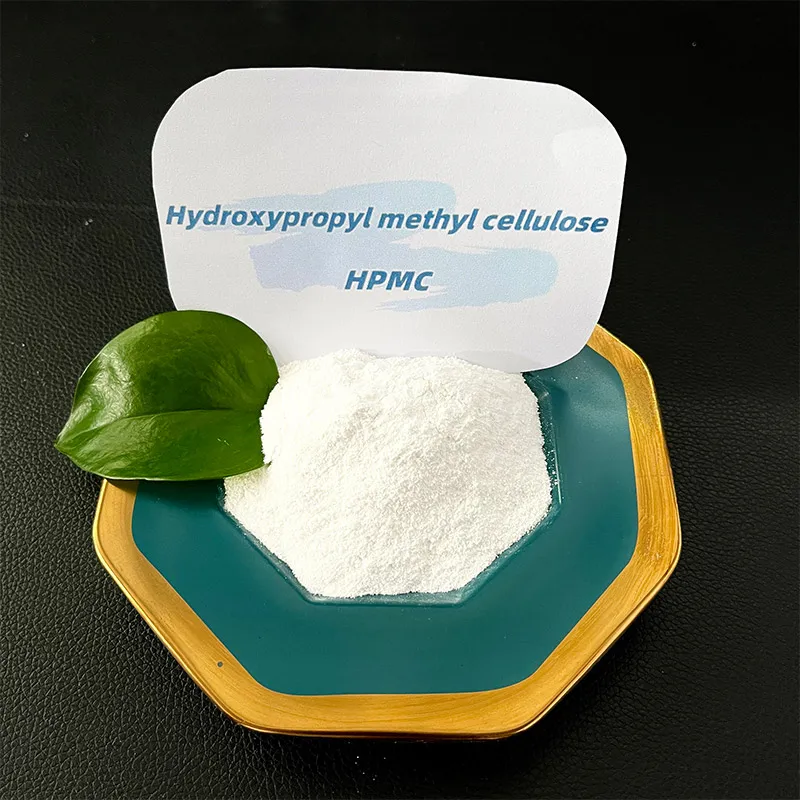
When delving into the world of hydroxypropyl methylcellulose (HPMC), understanding the various grades of viscosity is crucial for selecting the right product for specific applications. As a polymer widely used in construction, pharmaceuticals, and food industries, HPMC's versatility largely stems from its viscosity characteristics. This article aims to provide an authoritative insight into the intricacies of HPMC grades viscosity, helping you make informed decisions for your product needs. Viscosity in HPMC refers to the resistance of the polymer solution to flow, determined by measuring the time taken for the solution to pass through a specified instrument under controlled conditions. Grading is done on a centipoise scale (cP), with each grade reflecting a different viscosity level suitable for distinct applications. Lower grade viscosities, typically between 5 to 100 cP, are often employed in products requiring less thickening and more fluidity, such as in certain food and cosmetic applications. These are ideal for achieving light textures and ensuring seamless integration with other ingredients. As viscosity increases, so does the thickening capability of the HPMC. Mid-range viscosities, from 100 to 10,000 cP, serve as effective binders and stabilizers in personal care products and construction applications like tile adhesives and grout mixes. They provide an optimal balance between flexibility and strength, ensuring that products maintain their integrity under various conditions. In pharmaceuticals, these mid-range viscosities are critical in controlled-release formulations, where they influence the release rate of active ingredients. High viscosity grades, ranging from 10,000 to over 100,000 cP, find their niche in applications demanding maximum structural fortitude, such as in heavy-duty construction materials and high-quality paper products. These grades are engineered to deliver superior performance in terms of water retention, adhesion, and elasticity. For example, in the construction sector, high-viscosity HPMC is pivotal in enhancing the workable life of mortars and plasters, ensuring excellent bonding strength and reducing the risk of premature drying or cracking. hpmc grades viscosity An expert understanding of the viscosity grades of HPMC aligns with the needs of professionals seeking specific performance outcomes. Manufacturers consider these detailed viscosity specifications when formulating products to ensure they meet the exacting standards required by industries reliant on precise texture, consistency, and performance characteristics. Suppliers and end-users alike benefit from well-documented, empirical data accompanying each HPMC grade, reinforcing trust in its efficacy. Furthermore, sourcing HPMC from reliable, certified producers guarantees not only adherence to international standards but also assures that the product has undergone rigorous quality control measures. This aspect is vital for maintaining product integrity, supporting regulatory compliance, and enhancing consumer trust. In conclusion, HPMC grades viscosity is a key parameter influencing the product applications across various sectors . By leveraging a comprehensive understanding of these viscosity levels, experts can optimize product formulations for different industries, reinforcing their authoritative stance in the market. Selecting the appropriate HPMC grade ensures that the end-use application achieves the desired performance, meeting both professional standards and consumer expectations. This expert approach to HPMC usage will not only bolster product quality but will establish a trustworthy brand presence in an increasingly competitive market.
-
Kizuia Jasi Embracing Resilience and Strength In a world fraught with challenges, the concept of Kizuia Jasi emerges as a beacon of hope and resilience. This phrase, derived from theoretical notions in philosophical literature, embodies the essence of overcoming adversity and thriving despite life's uncertainties. Kizuia Jasi can be interpreted as a symbolic journey through pain and healing. It suggests that every scar we carry tells a story— a narrative of struggle, growth, and ultimately, transformation. Each experience of hardship shapes us, offering lessons that fortify our spirit and illuminate the path towards self-discovery. Kizuia Jasi Embracing Resilience and Strength Cultural narratives across the globe highlight the importance of resilience, and Kizuia Jasi aligns closely with these traditions. In many cultures, stories of heroes overcoming adversity serve as metaphors for human tenacity. From ancient mythologies to modern literature, the motif of the underdog triumphing against all odds inspires individuals to confront their fears and stand tall in the face of adversity. These narratives not only entertain but also instill a sense of possibility, reminding us that resilience is a universal human trait. kizuia jasi Moreover, Kizuia Jasi encourages introspection and self-awareness. Understanding our pain allows us to navigate the complexities of our emotions, transforming them into sources of strength. Journaling, therapy, and open dialogues about mental health can facilitate this understanding. By processing our experiences—whether they involve loss, failure, or personal setbacks—we create space for healing. This healing is not linear; rather, it comes in waves, ebbing and flowing as we traverse the landscape of our emotions. In embracing Kizuia Jasi, we also cultivate empathy towards others. Recognizing that everyone bears their own scars fosters compassion and connection. By sharing our stories of resilience, we create a community built on mutual understanding and support. In a society that often celebrates success without acknowledging the struggle behind it, Kizuia Jasi invites us to honor both the triumphs and the trials. As we navigate an increasingly complex world, the principles embodied in Kizuia Jasi remind us that resilience is empowered through community and shared experience. In moments of darkness, it is the bonds we forge with others that illuminate our path forward. We learn, we support, and we rise together. In conclusion, Kizuia Jasi serves as a powerful reminder that within each of us lies the capacity to weather storms and emerge stronger than before. It encourages us to embrace our scars, recognizing them as symbols of our journeys rather than marks of defeat. As we navigate the complexities of our lives, may we carry the spirit of Kizuia Jasi in our hearts— a testament to our resilience, our strength, and our unyielding capacity to rise above adversity. Through this embrace, we allow ourselves not only to survive but to flourish in the face of challenges, turning our pain into powerful narratives of hope and transformation.
advantages
-

200000 Viscosities
Excellent product
We can produce pure products up to 200,000 viscosities
-

40000 tons
High yield
We don’t stop production all year round, and the annual output can reach 40,000 tons
-

24 hours
Quality service
We provide 24-hours online reception service, welcome to consult at any time
———— Inquiry Form
Schedule A services


-
 hypromellose_cellulose
Oct . 25, 2025
The Growing Importance of PP Fiber Concrete in Modern Construction In the ever-evolving landscape of -
 why_is_retaine_hpmc_out_of_stock
Oct . 25, 2025
When delving into the world of hydroxypropyl methylcellulose (HPMC), understanding the various grade -
 chopped_polypropylene_fiber
Oct . 25, 2025
Dans le monde numérique compétitif d'aujourd'hui, trouver un numéro de contact fiable pour des produ


